
We link to the original sources below. Sections labelled “Sandycroft analysis” contain our interpretation and practical suggestions. Product and service links are commercial suggestions from Sandycroft, separate from the source reporting.
SOURCED NEWS SUMMARY
The news
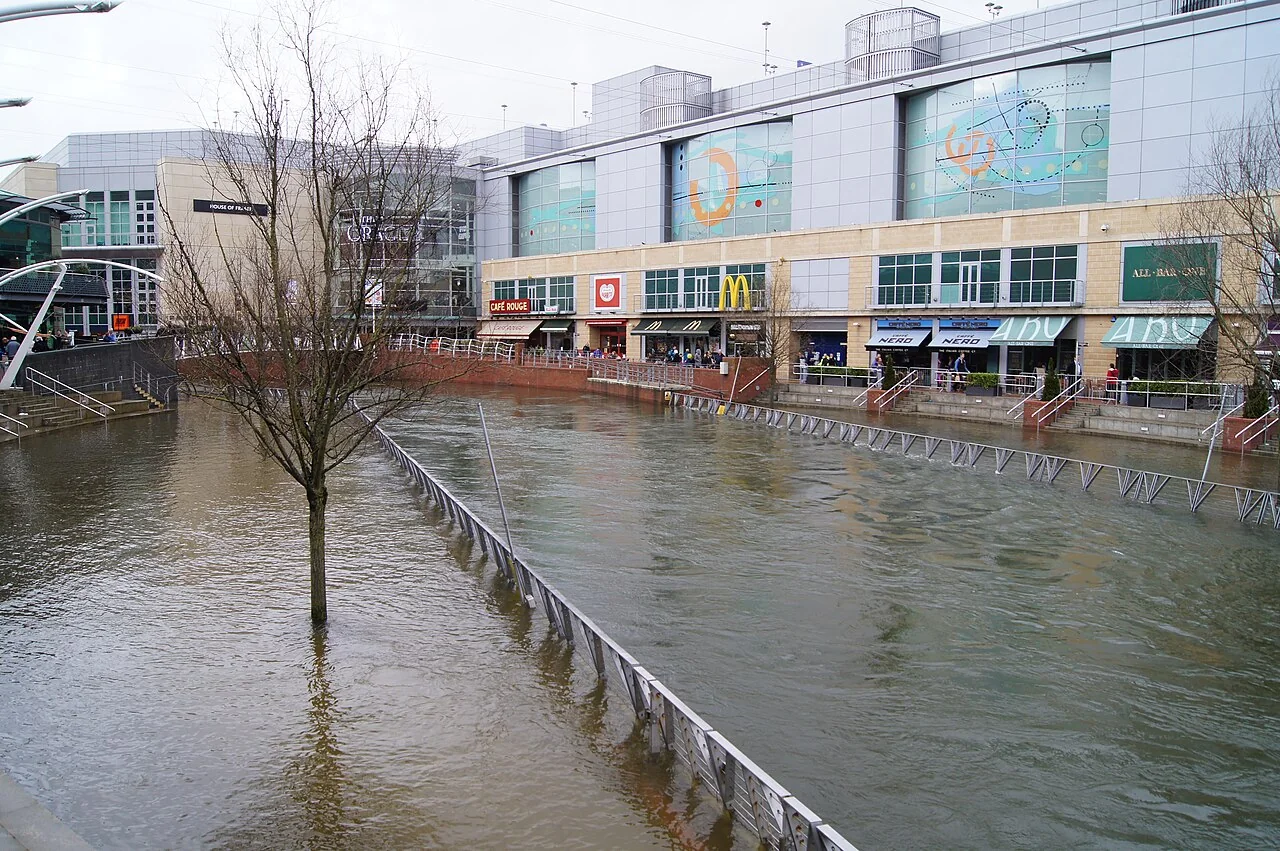
Defra and Flood Re announced plans on 13 October to pilot Flood Performance Certificates for homes in England. The proposed assessments would bring together information about a property’s flood exposure and resilience. Pilot work is due to begin in 2026, with further pilots through 2027 and beyond; the final certificate format is still being developed. This is a household initiative, not an announcement that every commercial premises must obtain a new certificate. The release also marks the Environment Agency’s Flood Action Week, running from 12 to 18 October.
SANDYCROFT ANALYSIS
List what a disruption would interrupt
Sandycroft analysis: a workshop’s useful starting point is a short continuity review. Identify which customer jobs depend on particular machines, artwork files, garment stock, packaging and access to the building. Record who can make decisions if the usual contact is unavailable. Include collection arrangements, supplier contacts and the information needed to explain a delay accurately.
Review the premises’ known vulnerabilities with the relevant property and insurance contacts. Consider where essential materials and records are kept and whether digital copies can be accessed away from the building. Ask how the policy treats the particular business activities and equipment rather than assuming that a household scheme covers commercial losses. Keep important correspondence together so the business can find it when needed.
SANDYCROFT ANALYSIS
Prepare the message before a busy day
Customers need a clear, consistent route for updates. Draft a brief notice with space for the affected service, the next update time and the contact route. Publish only confirmed information when a disruption occurs. Avoid promising a collection or delivery time before the people responsible have checked whether it is achievable.
A printed internal contact card or process sheet can help when staff cannot reach the normal shared folder. Flintshire Printing is a relevant option for durable, legible business information, but the process owner must approve the wording first. Keep sensitive passwords and payment details off public notices. If a notice includes a QR code, check that it leads to the current information and remains readable at the printed size.
SANDYCROFT ANALYSIS
Make restarting ordinary work easier
Keep a record of approved garment models, sizes, logo positions and artwork versions for repeat customers. That makes it easier to discuss an alternative or resume a paused job without starting the specification from memory. Where a team needs replacement or spare work clothing, confirm the actual task and conditions before ordering. Logo embroidery can help identify a team; it does not make a garment suitable protective equipment.
Give the continuity plan a named owner and a review date. Walk through one realistic scenario, such as a missed collection day or temporary loss of access to order records, and write down what information was missing. Use official flood information and appropriate professional advice for premises and safety decisions. The aim of this exercise is a business that communicates clearly and can restart organised work when conditions allow.
CHECK THE ORIGINAL REPORTING